

+918048055104

Currently it only shows your basic business info. Start adding relevant business details such as description, images and products or services to gain your customers attention by using Boost 360 android app / iOS App / web portal.

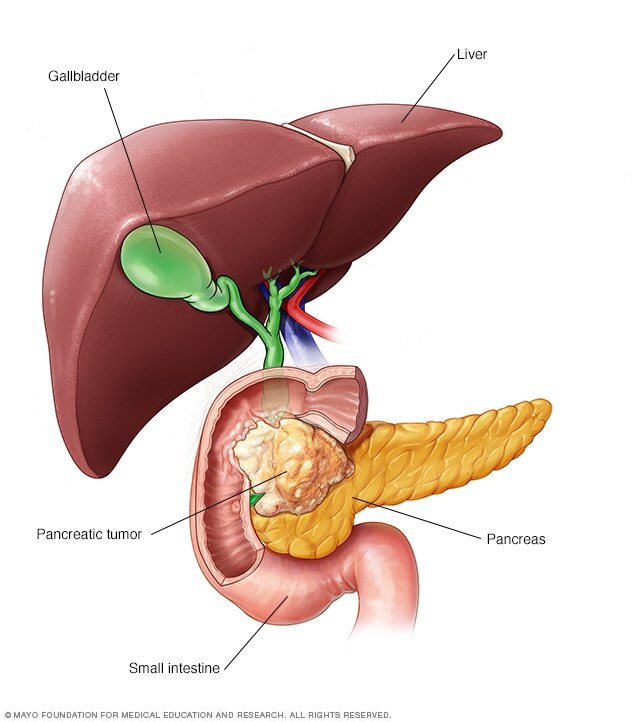
Gallbladder Cancer Overview Gallbladder cancer is a rare but aggressive form of cancer that begins in the gallbladder, a small organ under the liver that stores bile. Early stages often present with no symptoms, making it difficult to detect until advanced stages. --- Key Facts Rarity: Gallbladder cancer is uncommon but more prevalent in certain parts of the world (e.g., South America, Northern India). Common Type: The most common form is adenocarcinoma, which arises from the glandular cells lining the gallbladder. Prognosis: Generally poor unless caught early; early-stage tumors that are surgically removed have the best outcomes. --- Risk Factors Gallstones: The most significant risk factor; long-standing gallstones can cause chronic inflammation. Porcelain gallbladder: Calcification of the gallbladder wall due to chronic inflammation. Female gender: Women are more commonly affected. Age: Typically diagnosed in people over 65. Obesity and certain infections (like Salmonella typhi) may increase risk. Ethnicity and geography: Higher rates in people of Native American, South American, and Southeast Asian descent. --- Symptoms Often nonspecific and may include: Abdominal pain, especially in the upper right quadrant Nausea and vomiting Jaundice (yellowing of skin and eyes) Unexplained weight loss Fever --- Diagnosis Imaging: Ultrasound, CT scan, MRI, and MRCP (magnetic resonance cholangiopancreatography) Biopsy: Often performed if a suspicious mass is found. Blood tests: May show liver dysfunction or elevated tumor markers (e.g., CEA, CA 19-9) --- Staging Gallbladder cancer is staged from I to IV: Stage I: Localized to gallbladder lining Stage II: Invades deeper into the muscle or surrounding tissue Stage III: Spread to nearby organs or lymph nodes Stage IV: Distant metastasis (e.g., liver, peritoneum) --- Treatment Options Surgery: Only curative option. May involve cholecystectomy (removal of gallbladder) and parts of liver or bile ducts. Chemotherapy: Common drugs include gemcitabine and cisplatin. Radiation therapy: Often used for symptom control or postoperatively. Targeted therapy and immunotherapy: Emerging options for advanced disease. --- Prognosis Early detection offers the best chance for cure. Late-stage gallbladder cancer has a poor prognosis, with median survival often less than 1 year in stage IV. --- Prevention and Monitoring Cholecystectomy in high-risk individuals (e.g., with porcelain gallbladder) Regular monitoring in patients with gallbladder polyps or large gallstones Healthy lifestyle and weight management


